- New arrival
Exposure
Regular price £355.00Unit price /UnavailableVery low stock -
- New arrival
Exposure
Exposure BoostR Mk3 ReAKT Rear Light
Regular price £100.00Unit price /UnavailableVery low stock -
- Sold out
-
- New arrival
Exposure
Exposure Trace Mk4 Front Light
Regular price £55.00Unit price /UnavailableVery low stock -
- New arrival
Exposure
Exposure TraceR Mk4 ReAKT Rear Light
Regular price £75.00Unit price /UnavailableLow stock -
- New arrival
-
 Sold out
Syncros
Syncros Campbell 20 D iL Rear Light (For Scott Addict / Addict Gravel)
Regular price £49.99Unit price /UnavailableKnog
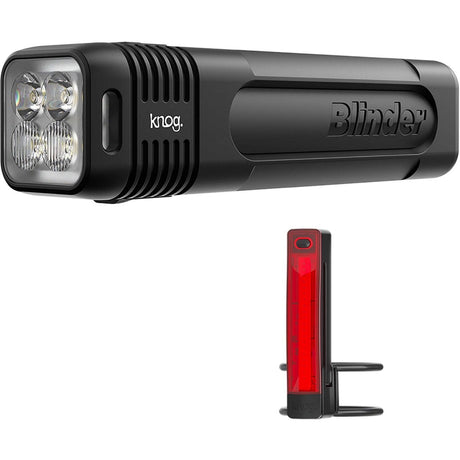
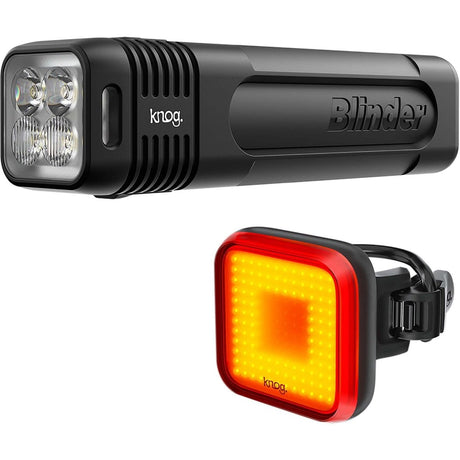
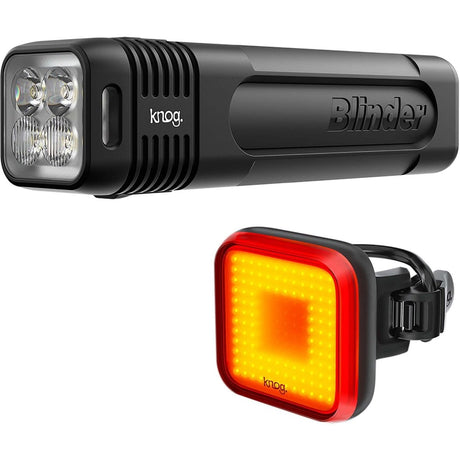
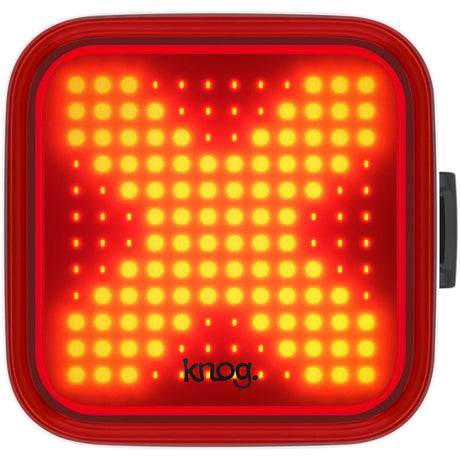
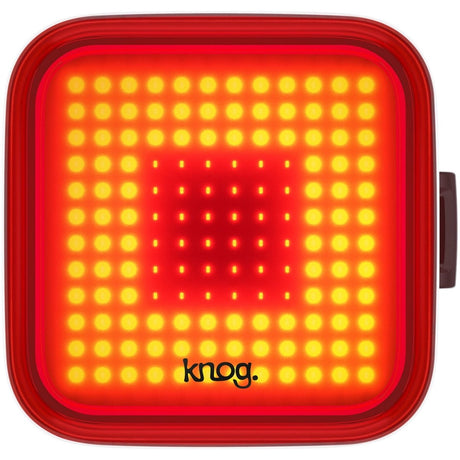
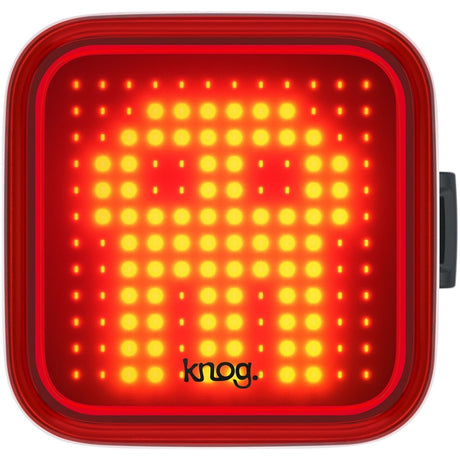
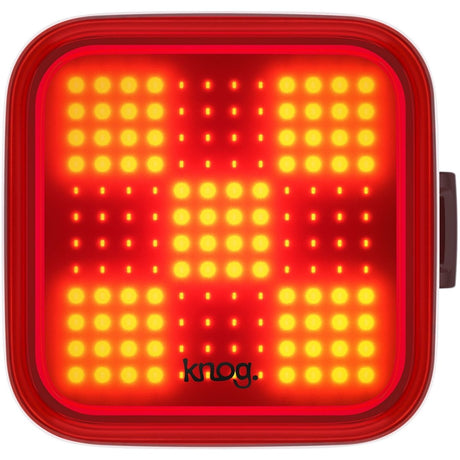
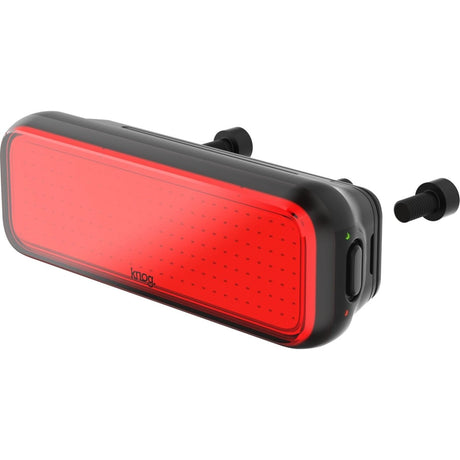
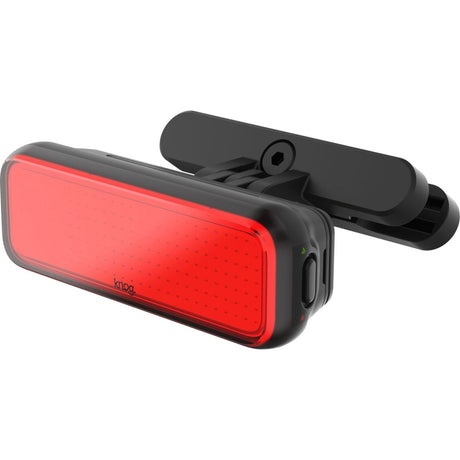
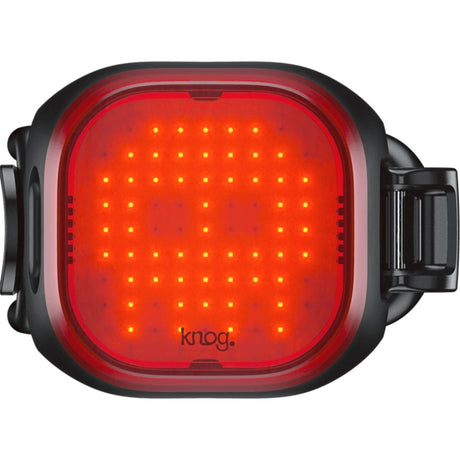
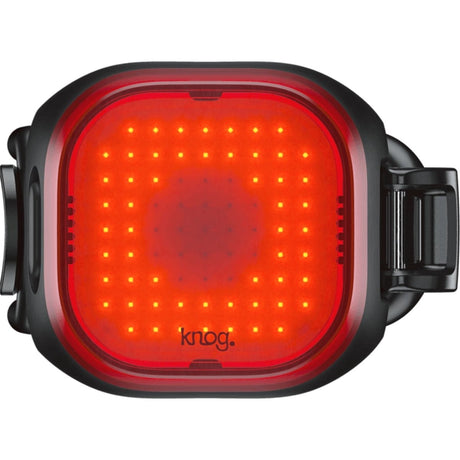
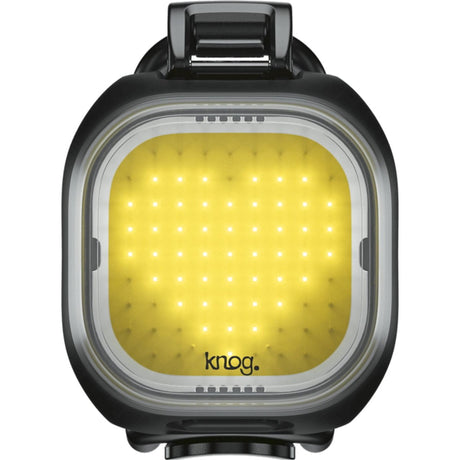
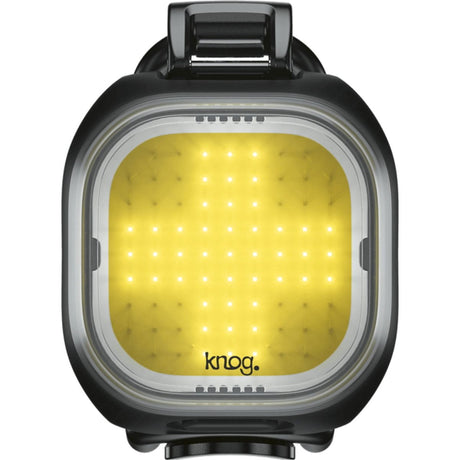
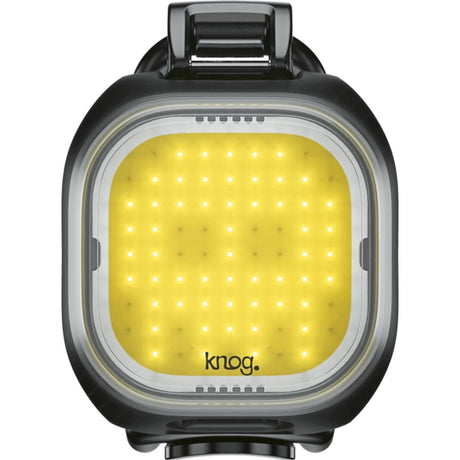
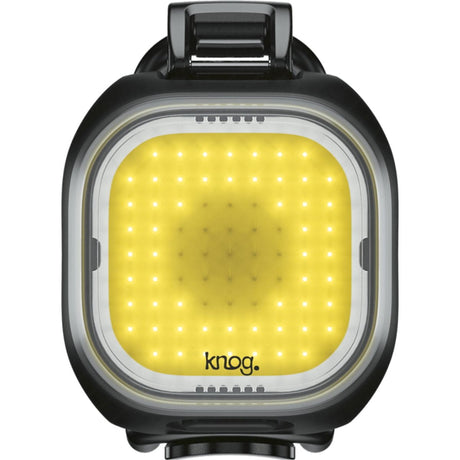
Knog Blinder Front Light Plus Blinder Square Rear Light Set
Regular price From £99.99Unit price /UnavailableIn stock-
Knog
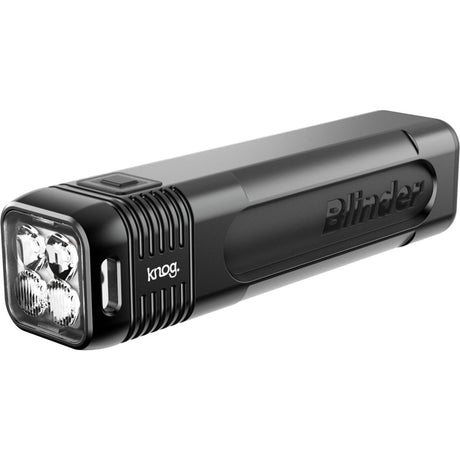
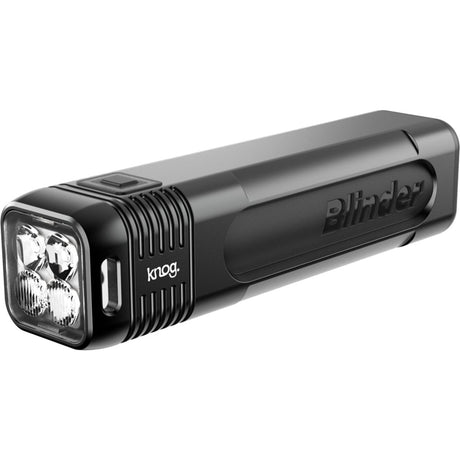
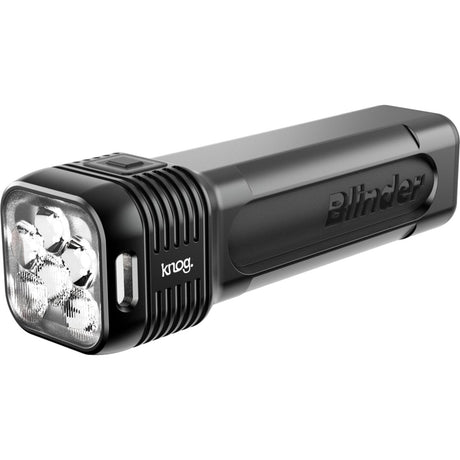
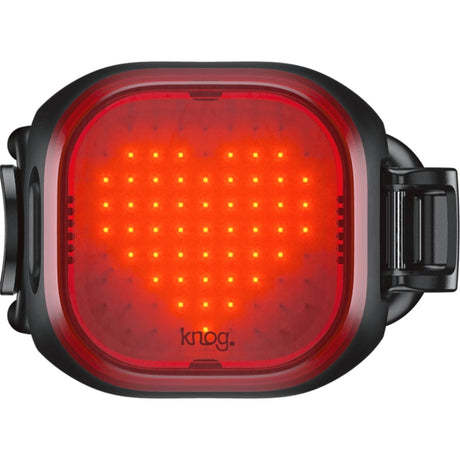
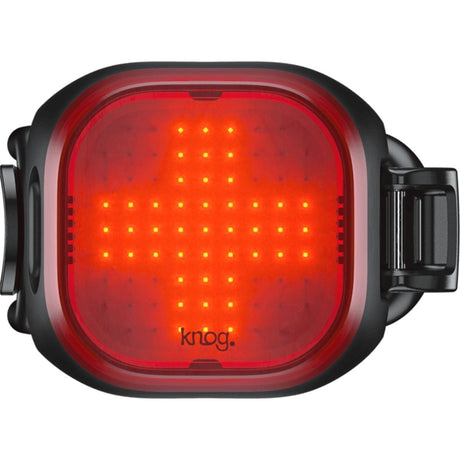
Knog Blinder Front Light And Plus Light Set
Regular price From £44.95Unit price /UnavailableVery low stock-
-
Exposure
Exposure GoPro Mount To Exposure Cleat
Regular price £18.00Unit price /UnavailableLow stock-
- Sold out
-

Exposure
Exposure Blaze Mk3 ReAKT Peloton Light
Regular price £115.00Unit price /UnavailableVery low stockExposure
Regular price £120.00Unit price /UnavailableVery low stock-
Exposure
Exposure Strada Mk12 SB AKTIV Bike Light
Regular price £375.00Unit price /UnavailableVery low stock-
Garmin
Garmin Varia RearVue 820 - Bike Radar Tail Light
Regular price £259.99Unit price /UnavailableVery low stock-
Oxford
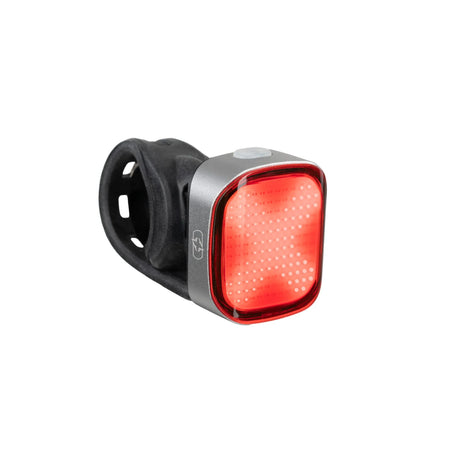
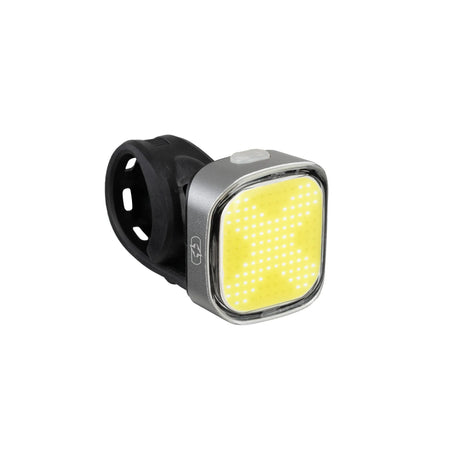
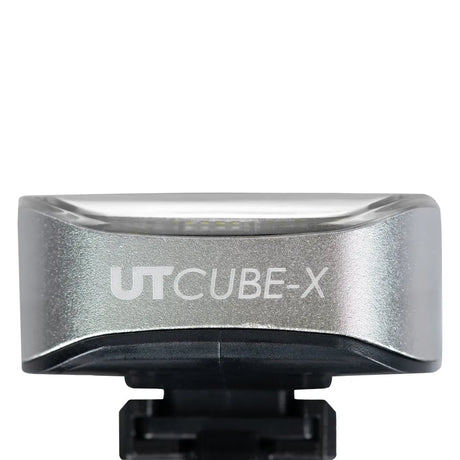
Oxford Ultratorch Cube-X LED Bike Lights Set USB-Recharge
Regular price £27.99Unit price /UnavailableIn stock-
-
Oxford
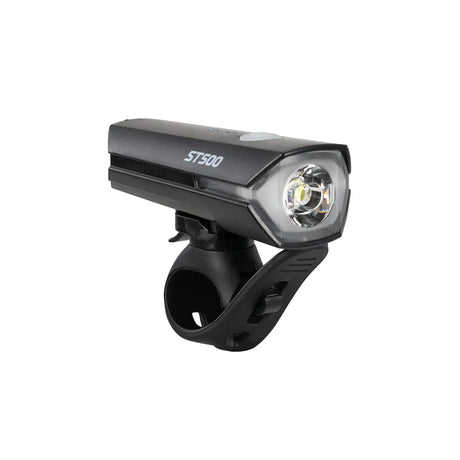
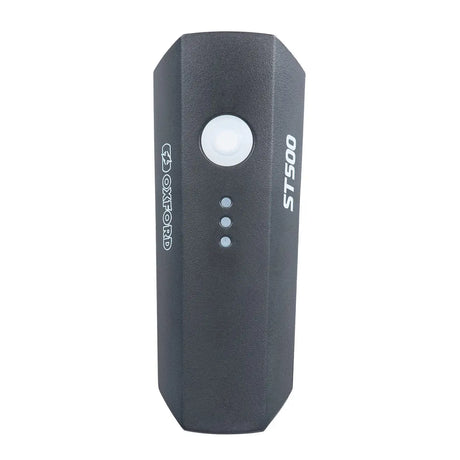
Oxford Ultratorch ST500 Bike Headlight
Regular price £29.99Unit price /UnavailableIn stock-
Oxford
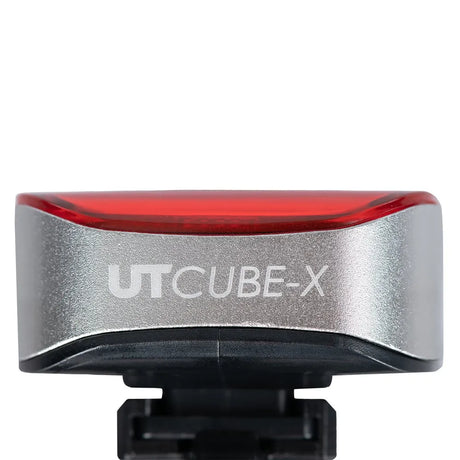
Oxford Ultratorch Cube-X R25 Rear LED Bike Light
Regular price £14.99Unit price /UnavailableIn stock-
Oxford
Oxford Ultratorch Cube-X F75 Front LED Bike Light
Regular price £14.99Unit price /UnavailableIn stock-
-
-
-
-


New bikes, demo days, and the odd good deal
We email a few times a year, when something worth seeing lands in the shop, when there's a demo day, or when bikes go on sale. That's it.
We won't spam you or sell your data.